
The Greener Planet

Aarav, Razia, and Neelam live in different parts of the world. But they have all grown up experiencing changes caused by climate change in their communities. The planet’s climate is changing because of global warming caused by carbon pollution. Aarav grew up in Delhi and has been concerned about the increasing temperature and the unbearable heat winds of the North Indian summer. On his bus ride back from his school, he observes many roadside vendors and rickshaw pullers sweating profusely while earning their daily wages. He wonders whether something like tree planting can be done in cities to reduce the intensity of heat. He has been working with his friends to talk to local government officials and ensure no trees are cut down for buildings. Razia grew up near the sea in Sri Lanka and has seen the slow decline of mangroves along the coast. The storms and floods of her childhood were manageable due to the thick mangrove vegetation, but the thinning of the mangroves due to port building has led to greater flooding and destruction. She leads a group of volunteers from her school to create community awareness around the importance of mangroves and organises mangrove planting days. Neelam grew up in a small Himalayan village. She is often scared to ride in a car to her grandmother’s house because she has seen cracks in the ground and huge landslides blocking roads. Recently, she teamed up with her environmental science teacher to understand the causes behind landslides and has been working on creating a community warning system such as ringing of the local temple bell to alert all the villagers before an impending landslide. Stories such as these are common for any young adult adapting to the effects of climate change in their own communities, be it cities, coasts, or mountains. Through this challenge, we invite you to create a solution for your own community to help it adapt to climate change.
AI and the Future Work
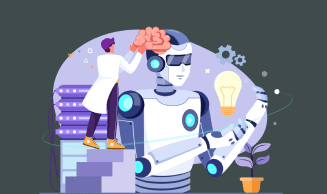
What is Artificial Intelligence (AI)? How has AI affected jobs in the past and how is AI disrupting the workplace today? What might the future of work look like? Will AI take all our jobs? This project invites students to understand AI and its impact on the past, present, and most importantly, the future of work! The project will also help students debunk some myths and misconceptions about AI and its impact on the careers of tomorrow. Students will pick a job they aspire towards and research how that job might look like 5 years from today. Students will pay careful attention to how AI is already affecting that job today and how AI may change the job in the future. The final outcome of the project will be for students to present a career and skill development plan so that they can be ready for their aspirational job in the midst of the AI revolution. Ultimately, the project aims for students to understand and adapt to AI and its impact on career pathways of the future.
Reducing Carbon Footprint of E-Commerce
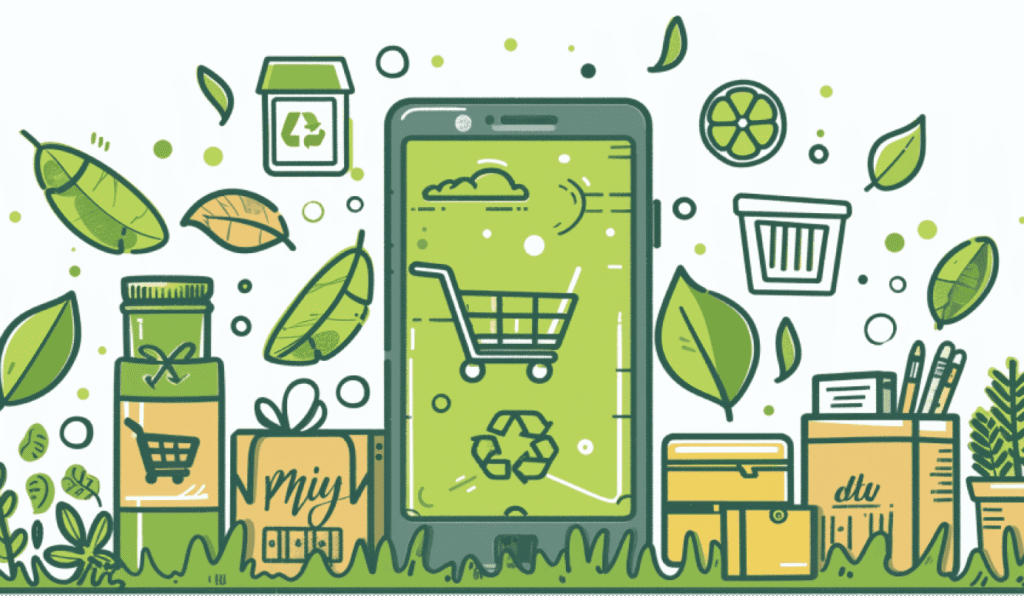
The rapid growth of e-commerce has led to significant environmental impacts, notably through increased carbon emissions from packaging, transportation, and delivery. This project aims to identify and implement innovative strategies to reduce the carbon footprint associated with online shopping. Students will analyse current practices of e-commerce companies, investigate sustainable alternatives, and develop actionable recommendations, such as the use of shared e-deliveries, alternate materials for packing etc. and other creative solutions to minimise environmental impact.
AR/VR for Improving In-Patient Experience
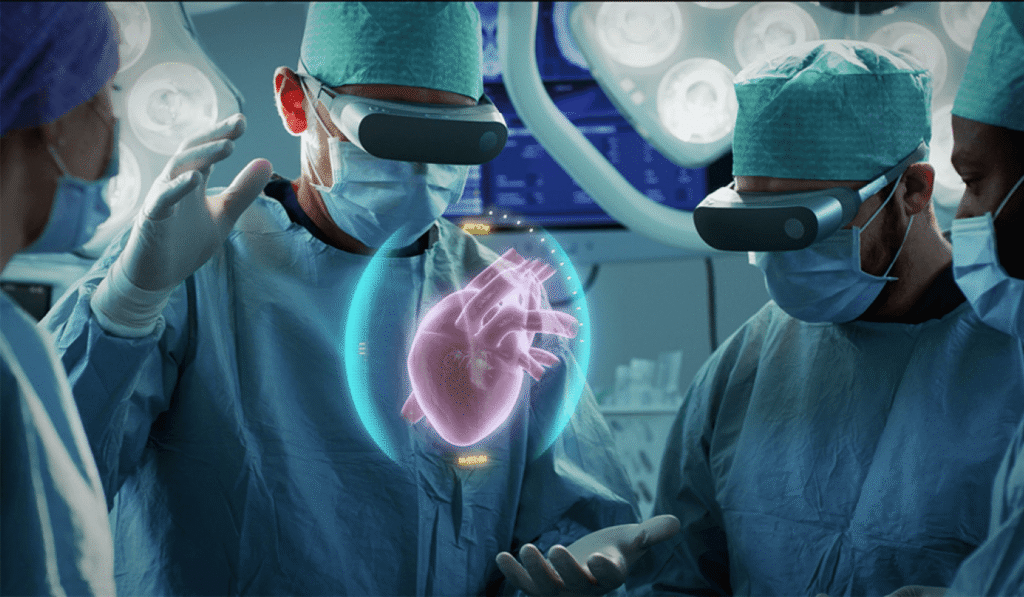
How can AR/VR and immersive media be used to enhance the hospital experience for in-patients? Students will explore innovative ways to utilise virtual reality and augmented reality technologies to create calming environments, interactive distractions, and educational experiences tailored to the needs of hospital patients, aiming to improve their overall well-being and comfort during their stay. Overall, the project will encourage and reward students for utilising AR/VR in creative ways to improve the hospitalisation experience for in-patients.
Learning in the age of ChatGPT
This project throws you into the heart of tech innovation. Partner with ChatGPT, your AI co-pilot, to brainstorm and prototype your dream technology. Fuel your creativity with trending tech headlines and integrate cutting-edge real-world innovations into your design. Refine your prototype through competitor analysis and craft a compelling launch strategy – either a presentation for investors or a crowdfunding campaign. This is your chance to turn your tech dreams into reality. The Future Lab is your playground – embrace the power of AI and watch your vision take flight!
The Role of Humans in the 21st Century
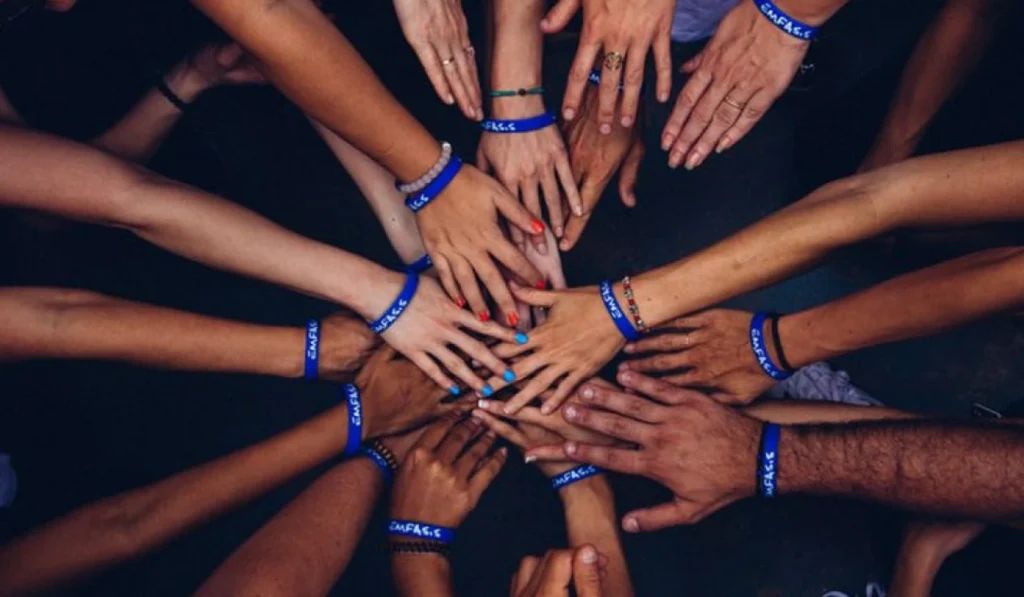
As data, technology and AI make a splash in everyday news, how can we pause to think about the Role of Humans in the 21st Century? In a world where most mundane and functional tasks will be handled by an AI, how do young adults think about their education and lives ahead? What must Education Institutes do today to prepare young people for their role in this changing world? This project is about grappling with these questions with the World Renowned Professor Sugata Mitra. As students reflect on these questions, they will create a revamped curriculum for their own grades that aligns with the Role of Humans in the 21st Century. A revamped curriculum may focus on students learning the art of leisure, building a community, creating artworks and other activities which allow them to thrive in an AI-led world.
Air Pollution: Experiments and Solutions
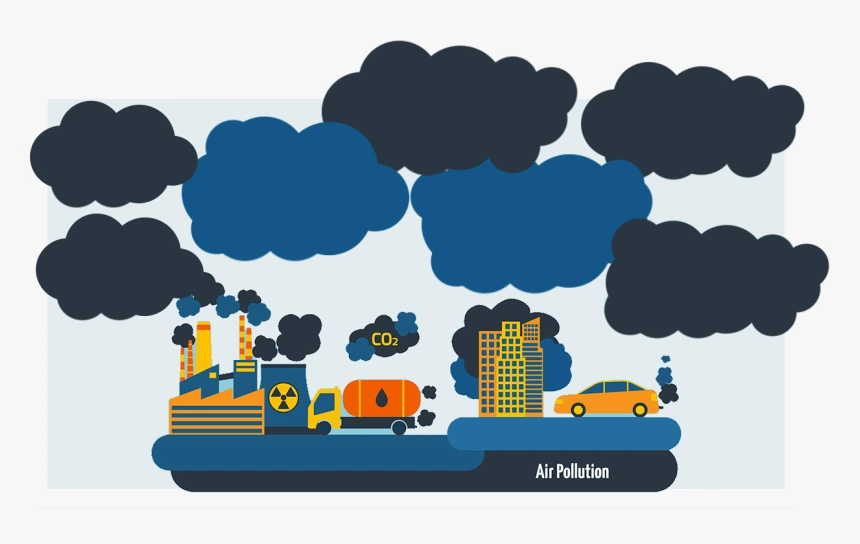
For emerging economies, it is imperative to balance economic growth with environmental conservation. Many rapidly growing economies such as India are already facing acute water shortage and air pollution in major cities and industrial hubs. In this project, we delve deeper into the problem of air pollution – its causes and solutions. As a student, you will be expected to tinker, perform experiments and use creative methods to measure the air pollution in your neighbourhood. You can also design experiments to show how air pollution varies with other variables (such as weather, time of day, traffic intensity etc.) and how one can tackle air pollution at a local level. Your final submission for the project will include the design and results of your creative experiments to measure and tackle the problem of air pollution in your own community.
Energy Management (STEM)
Our schools and homes spend a significant amount on energy, and we want to understand where and how we can achieve sustainable reductions. Your mission in this project is to become a team of Energy Detectives! You will use data analysis to reveal the hidden patterns in your school/home’s energy consumption and develop actionable plans to save energy and money. This project is your chance to become heroes for the environment. Be creative, be curious, and most importantly, be data-driven!
CRISPR for Gene Editing
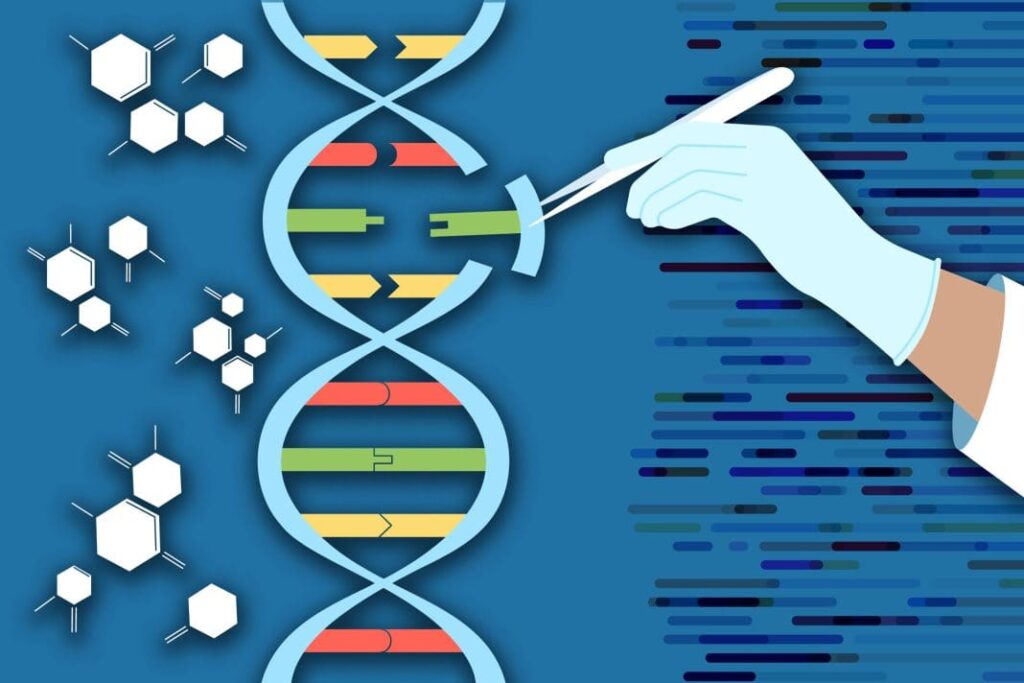
Humans are affected by about 7,000 known diseases which are caused due to mutations in our genomes. Gene editing is a cutting edge technology that allows us to make changes to our genome and prevent some of these diseases from affecting us. This project invites you to explore the world of gene editing to solve the problem of genetic disorders in a fun and experiential manner. Students will acquire a basic understanding of the human genome, genetic diseases like sickle cell disease and Huntington’s disease, and gene editing as a solution to such diseases. You will work with a genetic database to get hands-on experience of finding and designing gene editing interventions to cure diseases. Hence, your final output will be a solution to a particular genetic disorder using gene editing technology
Machine Learning for Autism
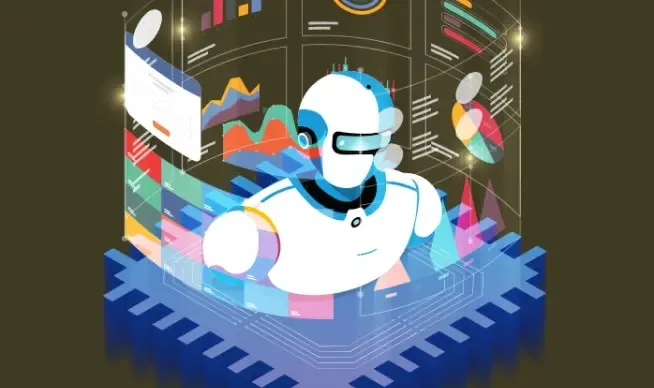
Did you know that 1 in every 100 kids in this world is diagnosed with autism? And this number is on the rise. Depending on severity of their diagnosis, these children have difficulty in performing regular tasks. They are also highly sensitive and find it very difficult to express emotion. Imagine a child of your age wanting to express themselves, but not being able to do so. What if you could help make things better with technology? Let’s take a trip into the world of machine learning. Machine learning (ML) is a type of artificial intelligence (AI) that allows software applications to become more accurate at predicting outcomes without being explicitly programmed to do so. What sorcery is this?! If you are wondering about the machine uprising, fear not. Man over many years has built Machine learning algorithms which use historical data as input to predict new output values. For your project, let’s build a machine learning algorithm to help people who are autistic to express themselves to others. Imagine you have an autistic friend named Jay. You might go up to Jay and tell him that you really like his new dress. Jay might want to show you that he is happy with your nice comment but can’t. Your machine learning program will come in handy here which will predict Jay’s response to your comment and show you what he wants to say. The response can be interesting faces with expressions or even funny memes! Similarly when someone is being mean, the response can be triggered by your machine learning program. Let’s get started and help Jay!