Building a FinTech Startup
This project immerses senior grade students in the dynamic world of Financial Technology (FinTech) with a focus on Sustainable Development Goals (SDGs) and Ethical FinTech Practices. Students will conceptualise, design and develop a FinTech Startup that addresses SDGs such as financial inclusion, quality education and economic growth while adhering to Ethical FinTech Practices. They will explore key aspects of FinTech, including digital payments, personal finance and blockchain technology. Through guided worksheets, students will create a business plan and a prototype. The project fosters teamwork, business and technology skills, preparing students for future entrepreneurial endeavours with a positive social impact and ethical foundation.
Reducing Carbon Footprint of E-Commerce
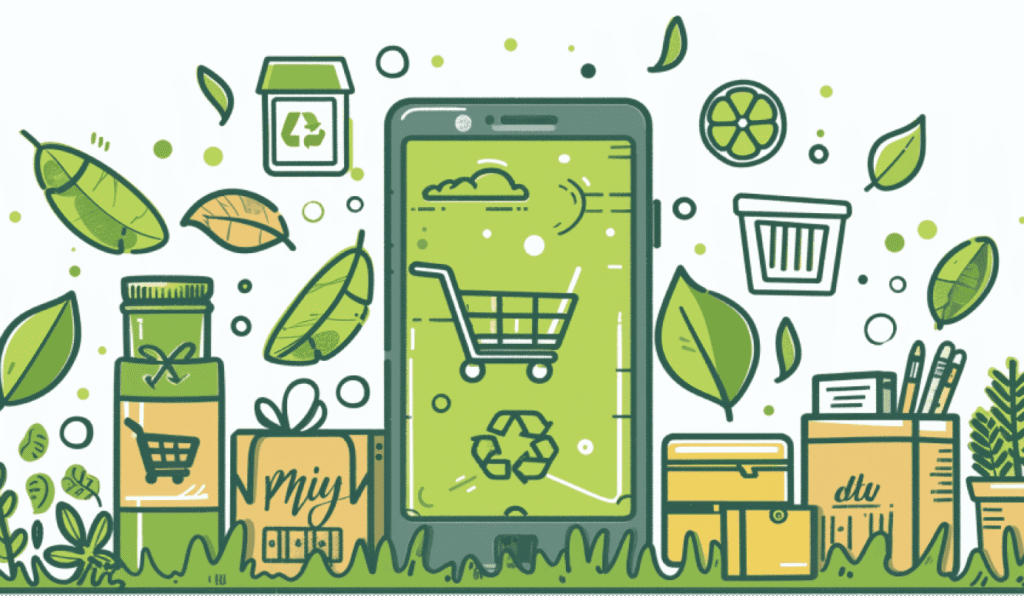
The rapid growth of e-commerce has led to significant environmental impacts, notably through increased carbon emissions from packaging, transportation, and delivery. This project aims to identify and implement innovative strategies to reduce the carbon footprint associated with online shopping. Students will analyse current practices of e-commerce companies, investigate sustainable alternatives, and develop actionable recommendations, such as the use of shared e-deliveries, alternate materials for packing etc. and other creative solutions to minimise environmental impact.
Bits and Pixels: Preserving Culture through Digital Storytelling
The project invites students to document their cultural heritage using the art form of digital storytelling. Students will create a podcast/video/interactive article that explores a part of their cultural identity. The theme of their cultural focus may be food, architecture, clothing, or festivals. Once students pick their cultural theme, they will use digital media to express and preserve this part of their cultural identity. The final podcast/video/article should feature a mix of text, images, videos, and interactive elements, such as timelines or maps, to tell stories about cultural heritage, migration, and community experiences. The readers/viewers should be able to engage with the content in a dynamic way, choosing different paths or perspectives within the story. This project aims to equip students with new media and digital tools for storytelling building their creativity and communication skills.
Crowdsourcing History: Social Media as a Historical Source?
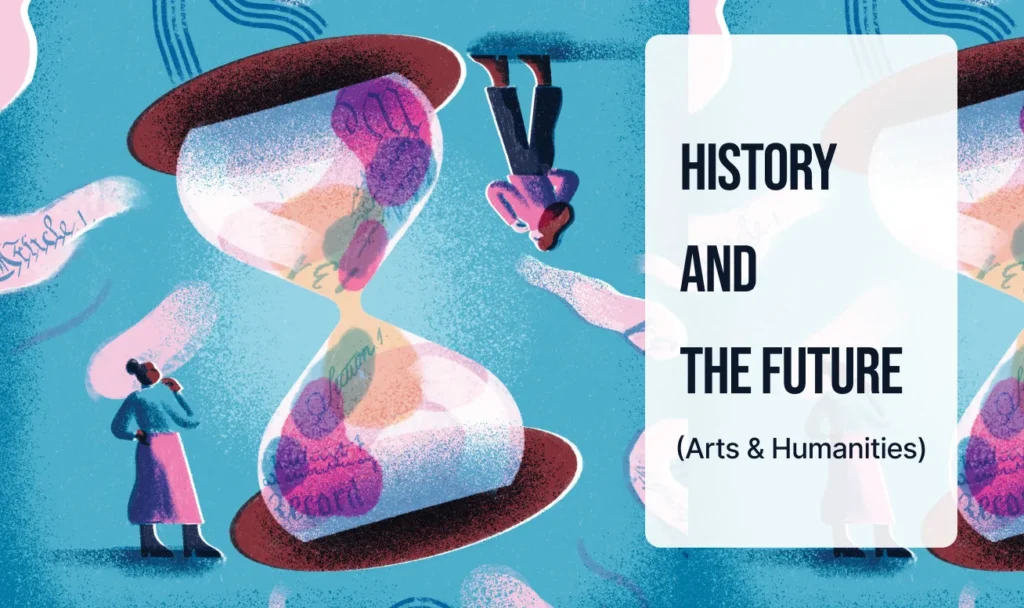
The project invites students to explore the concept of crowdsourcing history through social media, where users contribute to the documentation and interpretation of historical events. Students will analyse the benefits of this approach, such as the democratisation of history, the inclusion of diverse perspectives, and the rapid dissemination of information. However, they will also consider the drawbacks, including the risk of inaccuracies, lack of scholarly rigour, and the potential for bias. As a final deliverable, students will pick one historical event that has been highlighted on social media in recent years and contrast the interpretation of the chosen event vis-a-vis traditional and social media sources. Are social media sources reliable in building a revisionist understanding of the chosen event? Or are they inaccurate and biased? The project aims to equip students with understanding historical sources, avoiding misinformation on social media, and appreciating the intermingling of history with modern technology and politics.
Oceans in Our Lives: Exploring Connections through Everyday Objects and Stories
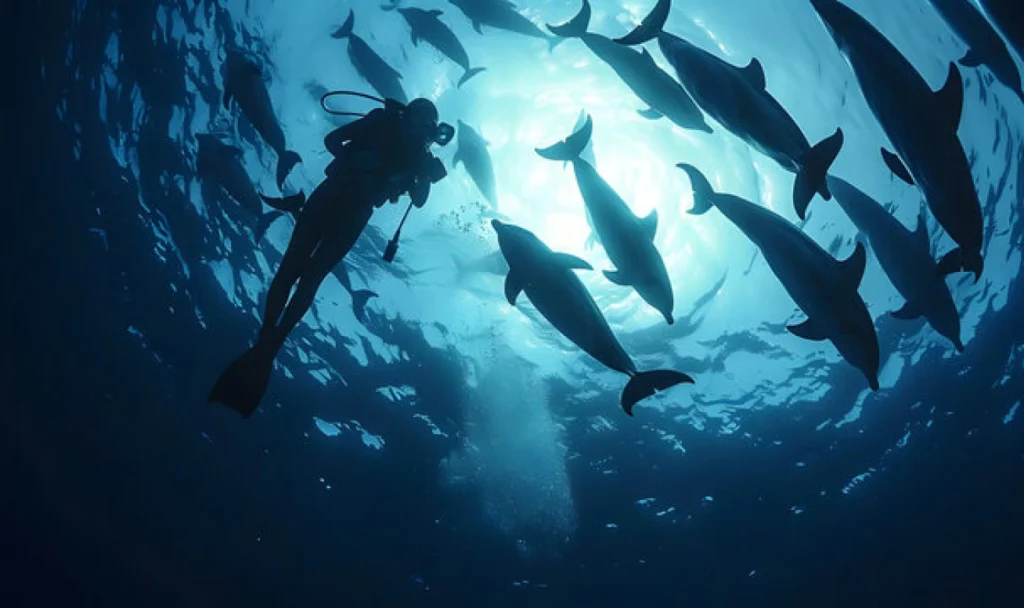
In this project, students will explore the hidden connections between their daily lives and the world’s oceans. Through the lens of history, literature, and social sciences, they will trace the origins and journeys of everyday objects, food, or cultural practices that have crossed oceans to reach them. By doing so, they will uncover stories of movement, trade, and cultural exchange that have shaped the modern world. Through the project, the students will gain an understanding of how oceans connect people, goods, and ideas across time and space. They will appreciate the role of the ocean in shaping their lives in surprising and meaningful ways, fostering a renewed sense of connection with the world’s oceans and their place in their lives.
AR/VR for Improving In-Patient Experience
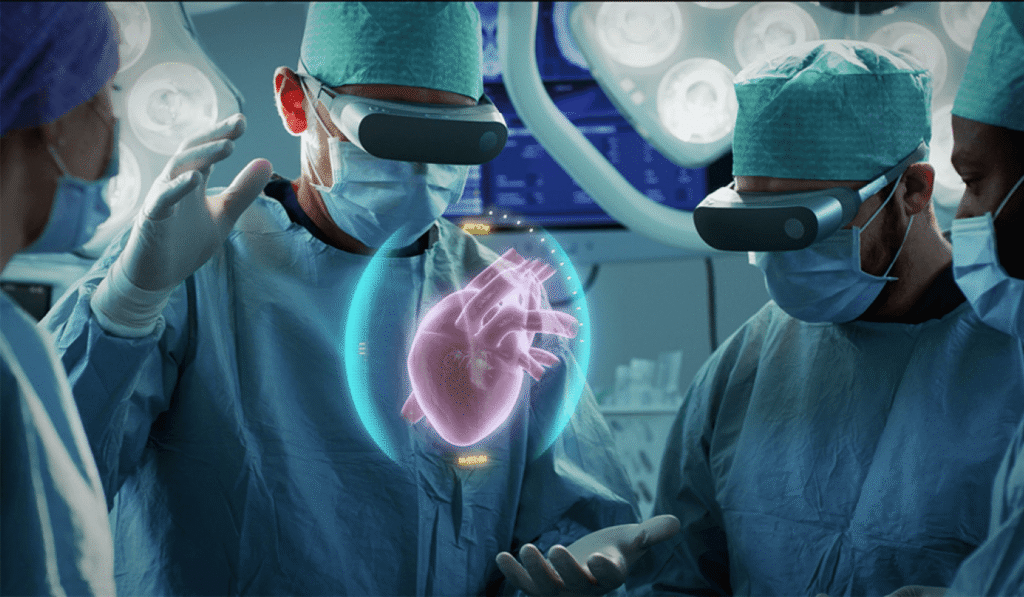
How can AR/VR and immersive media be used to enhance the hospital experience for in-patients? Students will explore innovative ways to utilise virtual reality and augmented reality technologies to create calming environments, interactive distractions, and educational experiences tailored to the needs of hospital patients, aiming to improve their overall well-being and comfort during their stay. Overall, the project will encourage and reward students for utilising AR/VR in creative ways to improve the hospitalisation experience for in-patients.
Comprehensive Waste Management
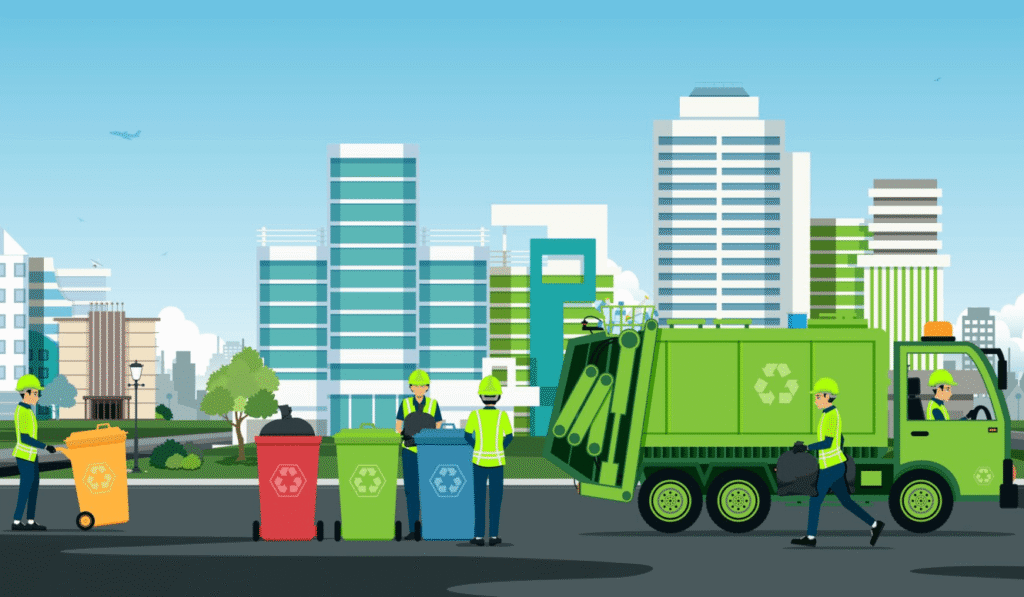
How can we design a comprehensive waste management system that optimizes segregation, treatment, reuse, recycling and disposal of dry and wet waste at household, community and national levels? Students will explore innovative strategies for effective waste segregation, develop treatment methods to minimize environmental impact and propose systems for maximizing reuse and recycling. By analyzing existing practices and identifying innovative areas for improvement, the project will offer actionable solutions to enhance India’s waste management processes. The project will nudge students towards exploring novel and innovative ways to address the unique challenges of their own cities and neighbourhoods.
Learning in the age of ChatGPT
This project throws you into the heart of tech innovation. Partner with ChatGPT, your AI co-pilot, to brainstorm and prototype your dream technology. Fuel your creativity with trending tech headlines and integrate cutting-edge real-world innovations into your design. Refine your prototype through competitor analysis and craft a compelling launch strategy – either a presentation for investors or a crowdfunding campaign. This is your chance to turn your tech dreams into reality. The Future Lab is your playground – embrace the power of AI and watch your vision take flight!
Fostering Global Citizenship through Intercultural Exchanges
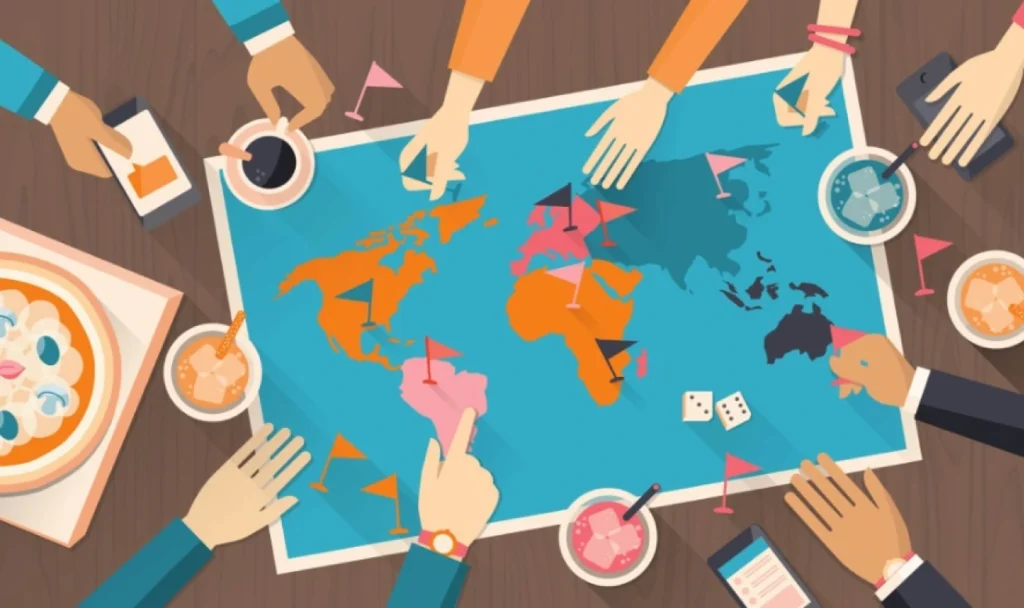
In this project, students will explore how Intercultural Exchanges Foster Global Citizenship. Students will select one partner country and delve into its culture, values, traditions and perspectives. Through this focused study, they will learn how engaging with another culture can promote mutual respect and global understanding. The final task will be to design a School-Based Intercultural Event centred on the chosen country. Students will collaborate with classmates to propose activities, presentations and displays that showcase the partner country’s culture and values. Students are encouraged to find common ground with the partner country’s culture to highlight shared human experiences. Finally, students will present an event plan to inspire the school community to embrace cultural diversity and inclusivity, demonstrating how such exchanges contribute to global citizenship.
The Role of Humans in the 21st Century
As data, technology and AI make a splash in everyday news, how can we pause to think about the Role of Humans in the 21st Century? In a world where most mundane and functional tasks will be handled by an AI, how do young adults think about their education and lives ahead? What must Education Institutes do today to prepare young people for their role in this changing world? This project is about grappling with these questions with the World Renowned Professor Sugata Mitra. As students reflect on these questions, they will create a revamped curriculum for their own grades that aligns with the Role of Humans in the 21st Century. A revamped curriculum may focus on students learning the art of leisure, building a community, creating artworks and other activities which allow them to thrive in an AI-led world.