
Incredible India 2022 and Beyond
India is the seventh largest country in the world. While most other countries boast of either lakes or forests, snow or mountains, desert or city, India has it all. With very diverse cultures, food, art and beautiful topography, this country is a tourist’s dream. Yet, so many places in this country remain unexplored. What if you had the power to change one such place? What if you could completely alter one location to become a tourist magnet? Let’s get started.
Super Hero – Waste Management
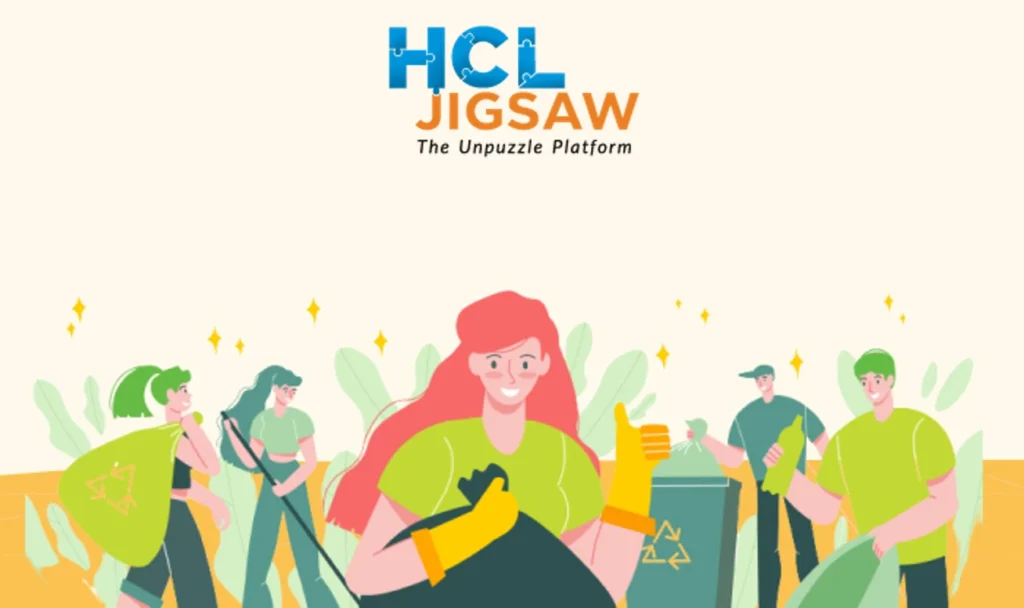
How does waste get tackled? Do we produce too much of it? With urbanization and increase in population, waste management has become an increasingly important topic. Therefore, a superhero today would be that person who has superpowers to manage waste. The problem you need to solve is to imagine a superhero and the powers and tools this hero must have in order to reduce waste, increase awareness on recycling and ways for disposal of waste. Think in terms of a superhero for your community and then scale it to city wide. What are the additional powers needed then?
Creativity and Internet of Things

Years ago people lived in joint families. Multiple generations living together and depending on each other. So the young ones took care of the elderly and the cycle continued. But the world has moved from joint families to nuclear families. These small families often relocate to different continents while the elderly stay back in their hometown. This has increased anxiety among both – the young and elderly. The biggest source of discomfort comes from their inability to be there in case of emergencies and sudden need. This is where loT can come in handy. Let’s build a rapid response device that connects the elderly with all the partners who need to respond immediately, as well as alert their children who are located elsewhere.
The Greener Planet
Aarav, Razia, and Neelam live in different parts of the world. But they have all grown up experiencing changes caused by climate change in their communities. The planet’s climate is changing because of global warming caused by carbon pollution. Aarav grew up in Delhi and has been concerned about the increasing temperature and the unbearable heat winds of the North Indian summer. On his bus ride back from his school, he observes many roadside vendors and rickshaw pullers sweating profusely while earning their daily wages. He wonders whether something like tree planting can be done in cities to reduce the intensity of heat. He has been working with his friends to talk to local government officials and ensure no trees are cut down for buildings. Razia grew up near the sea in Sri Lanka and has seen the slow decline of mangroves along the coast. The storms and floods of her childhood were manageable due to the thick mangrove vegetation, but the thinning of the mangroves due to port building has led to greater flooding and destruction. She leads a group of volunteers from her school to create community awareness around the importance of mangroves and organises mangrove planting days. Neelam grew up in a small Himalayan village. She is often scared to ride in a car to her grandmother’s house because she has seen cracks in the ground and huge landslides blocking roads. Recently, she teamed up with her environmental science teacher to understand the causes behind landslides and has been working on creating a community warning system such as ringing of the local temple bell to alert all the villagers before an impending landslide. Stories such as these are common for any young adult adapting to the effects of climate change in their own communities, be it cities, coasts, or mountains. Through this challenge, we invite you to create a solution for your own community to help it adapt to climate change.
Entrepreneurship for Students
What is entrepreneurship? How can students develop an entrepreneurial mindset? How can entrepreneurs observe the world to identify problems and solve them innovatively? How is technology enabling entrepreneurship and innovation? This project invites students to identify a theme that they are passionate about and identify a business opportunity related to that theme. Students will pick one theme from the following: Heritage Conservation Climate Change Adaptation Fashion and Clothing Health and Wellness Once students pick a theme, they will work in their groups to identify a business opportunity and create a prototype of a product/service within their chosen area. Students will also clearly highlight how technology can be utilised to innovate and improve their solutions. The focus of the project will be for students to learn entrepreneurship by identifying and solving a real world problem.
AI and the Future Work
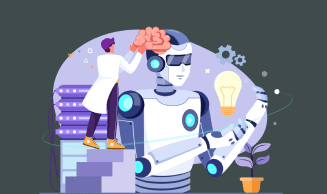
What is Artificial Intelligence (AI)? How has AI affected jobs in the past and how is AI disrupting the workplace today? What might the future of work look like? Will AI take all our jobs? This project invites students to understand AI and its impact on the past, present, and most importantly, the future of work! The project will also help students debunk some myths and misconceptions about AI and its impact on the careers of tomorrow. Students will pick a job they aspire towards and research how that job might look like 5 years from today. Students will pay careful attention to how AI is already affecting that job today and how AI may change the job in the future. The final outcome of the project will be for students to present a career and skill development plan so that they can be ready for their aspirational job in the midst of the AI revolution. Ultimately, the project aims for students to understand and adapt to AI and its impact on career pathways of the future.
Making Museums More Engaging
Travel in any country and especially in India is incomplete without a visit to the museum. Conventional museums often have a similar structure with exhibits and a brief explanation of it which sometimes fail to attract the interest of today’s generation. However, there are many museums with unique ideas. Take for example the Kite Museum in Ahmedabad or the RBI Monetary Museum in Mumbai. Both these museums have exhibits but are not interactive in nature. Your task is to understand what kind of information is shared in both these museums and figure out how it can be made more interesting by cleverly making use of technology to provide interactive learning and fun experiences.If you want to pick another museum you can go ahead and do that.
Urban Planning, Design Thinking and Sustainability
How many rooms are there in your home? Is there a balcony? How about a garden? How many bathrooms? Are there young kids or older people living with you? Is the design of your home customised for their needs too? And for the biggest question of all – how long did it take to build your home? What if you could build a home that’s customised to suit the needs of people living at your place in a very short time? Let’s take it a step further and use concepts of physics to make it foldable so it can be assembled anywhere! This could potentially solve the affordable home crisis and utilise the scarcely available spaces in our cities really well. In this project, you will be guided through research, ideation and finally designing the house. You can get creative with the materials and design. Remember it has to be functional and look good. Let’s get started!
Humans of Asia
Humans are storytellers. We use storytelling as a means of expressing ourselves and connecting with others. How can we document stories from our communities to understand each other better? How do we write stories with colourful characters and a narrative arc? This project invites students to document human stories emerging from their own communities and neighbourhoods. Students will work in groups to interview people from their surroundings and choose one particular person/anecdote that inspired them. Once they have found a person/anecdote, students will write a short story to document and share an important aspect of their community life. Ultimately, the project aims to nurture the creative storyteller and writer in each of us!
Smash the Stigma: Spreading Mental Health Awareness
This high school project encourages students to create a vibrant and engaging online campaign to destigmatize mental health. Working in teams, students will research mental health topics and use their creativity to design a dynamic digital campaign that includes videos, info graphics, blog posts, and social media content. The project will culminate in a live campaign where teams showcase their digital outreach and impact towards destigmatizing mental health. This project not only enhances students’ understanding of mental health but also develops their skills in digital marketing, teamwork, and empathy, promoting a proactive approach to mental health awareness. This Project is offered in association with Doc Gautham’s Neuro Centre.