
Watt’s Up? Powering Smart Homes with Data
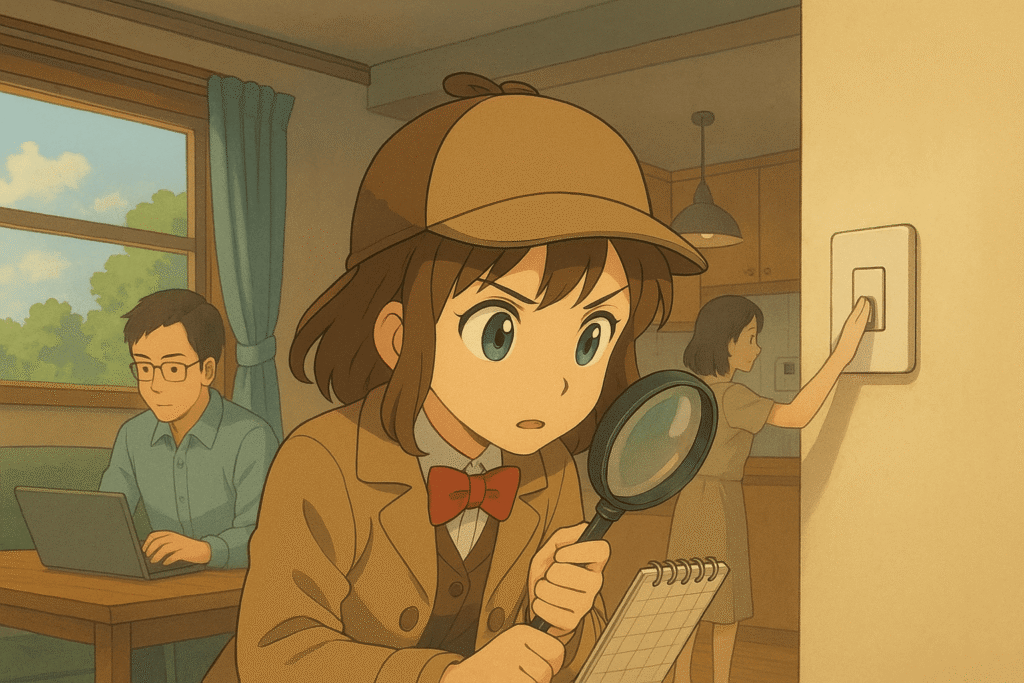
Every household uses energy—switching on lights, cooking meals, running gadgets—but most of us rarely ask: Where does it all go, and how can we save more?
In this project, students become household energy detectives, using real-life data like electricity bills, gas refills, or piped gas usage to track patterns and spot waste. They’ll design simple low-code apps or dashboards to help families budget better, cut costs, and optimize energy use.
Along the way, students connect their work to economics concepts like consumption, budgeting, and opportunity cost, while also advancing SDG 7 (Affordable and Clean Energy), SDG 12 (Responsible Consumption and Production), and SDG 13 (Climate Action).
The challenge is to turn everyday numbers into tools that make homes smarter, greener, and lighter on the wallet.
Civic Superheroes – Helping Citizens Take Action
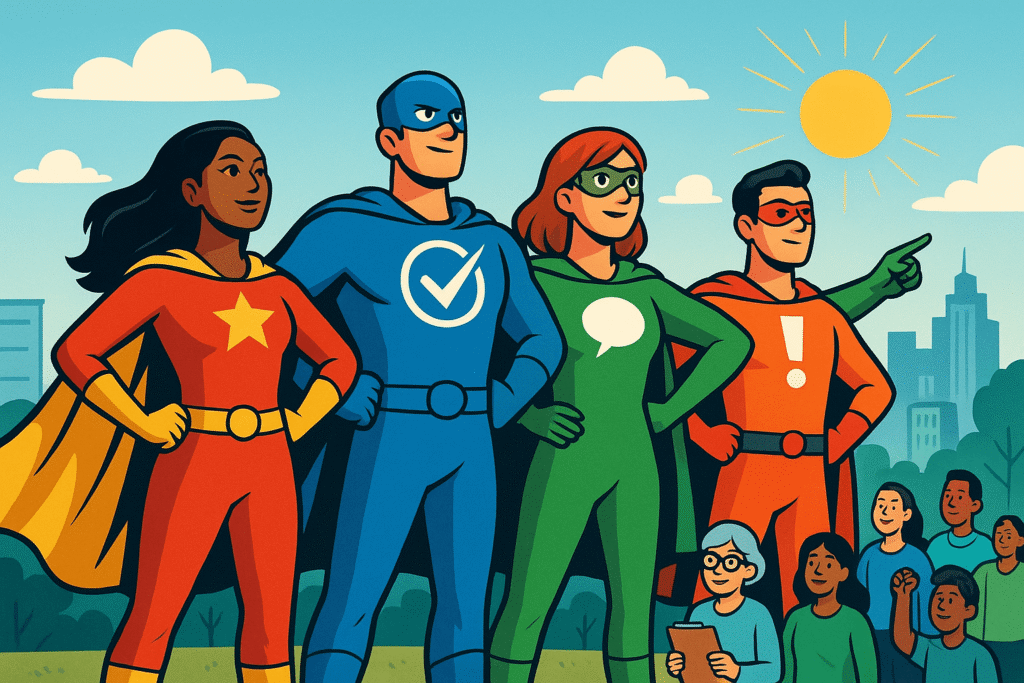
From potholes to garbage piles, from broken streetlights to water shortages—our cities are full of problems that affect people’s daily lives. But here’s the big question: Do most citizens know how to get these problems fixed?
In this project, you will become civic superheroes—finding out how your city’s grievance redressal system really works, then turning that knowledge into a physical awareness campaign that anyone in your community can see, read, and use.
The mission is simple: make sure every citizen knows exactly how to report a problem and get it solved. You will study how urban governance works, will investigate local issues around you, and create an awareness campaign around these issues.
You will finally create large posters for public display, which also document the complaint process for people, and explain citizens’ rights and responsibilities. Your efforts will help bring any issues to light, and will also help deal with these local problems.
Clean Air at Home – Building Your Own Air Purifier
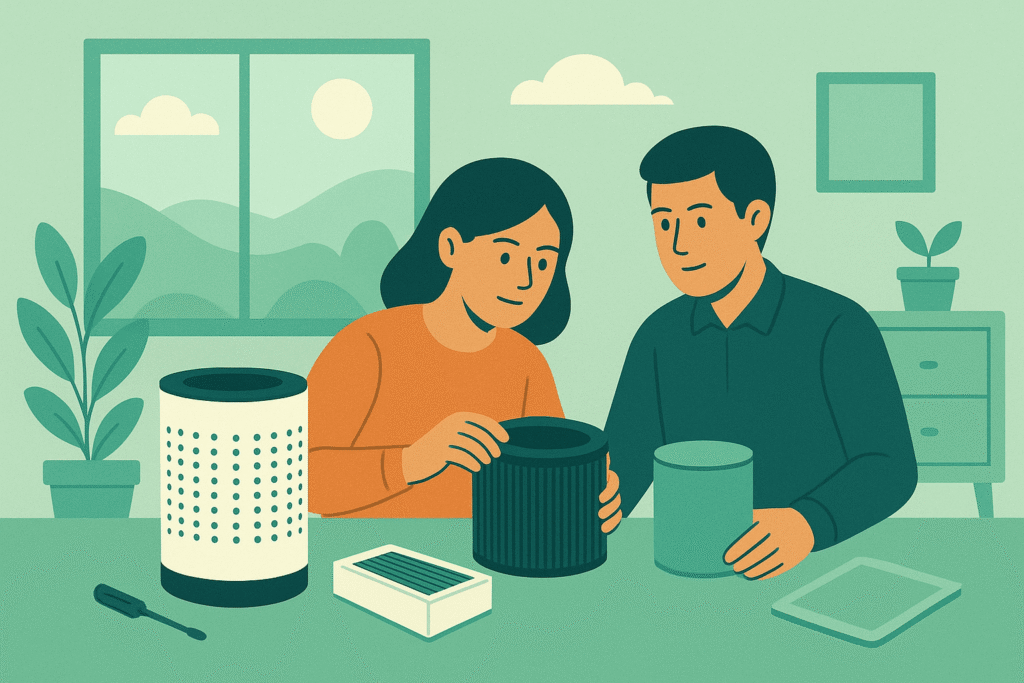
Imagine living in a city where the air is so polluted that stepping outside feels like breathing smoke. That’s what happened to Professor Thomas Talhelm in Beijing. Instead of buying a fancy $1,000 air purifier, he rolled up his sleeves and built his own for a fraction of the cost—and it worked!
In this project, you’ll follow in his footsteps. Your mission: design and build a low-cost air purifier that can actually clean the air in your room. You’ll discover how air purifiers work, why HEPA filters are so good at trapping tiny particles, and how to make air flow work in your favour. Then you’ll sketch your design, gather simple materials like a household fan and a filter, and start building.
Once your purifier is ready, it’s time to put it to the test. You’ll measure the air quality before and after running your machine, see if your design works, and think about how you could make it even better. By the end, you’ll realise you don’t need expensive gadgets to solve real problems—you just need curiosity, creativity, and the courage to try.
Digital Detectives – Designing Tools to Outsmart Scammers
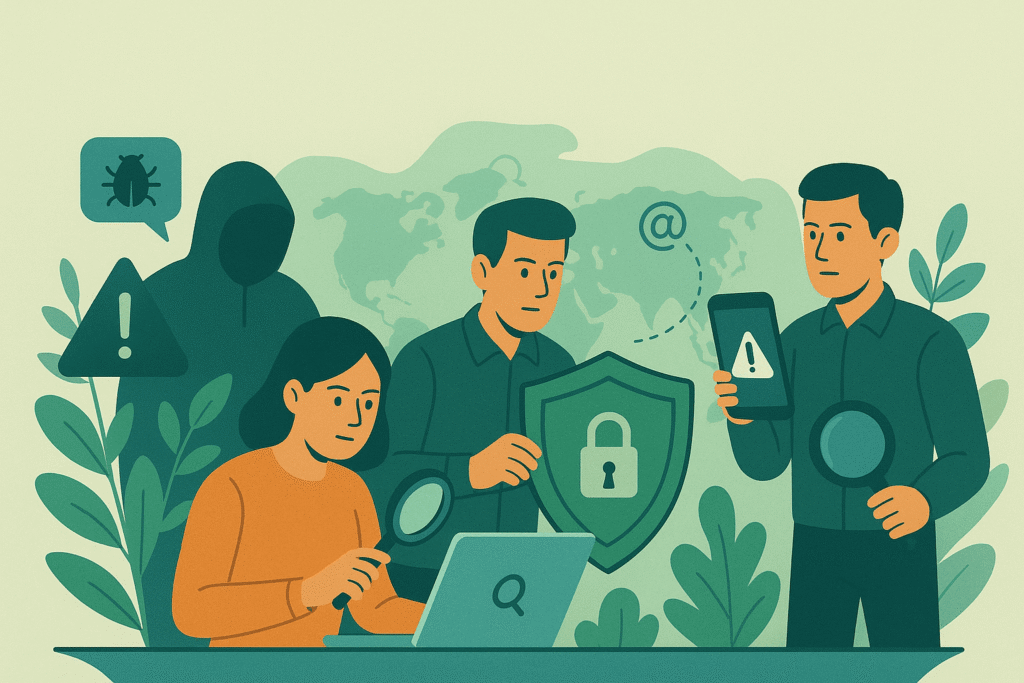
Financial scams are getting smarter every day—fake bank calls, phishing emails, investment traps, and social media “giveaway” cons. Scammers don’t just rely on technology; they exploit human tendencies—curiosity, fear, urgency, and trust.
In this project, you’ll become a scam detective and engineer rolled into one. First, you’ll investigate how scams work: What tricks do scammers use? What vulnerabilities do they target? Why do people fall for them? Then, you’ll turn your insights into a simple, user-friendly digital tool or app that helps people spot, avoid, and block these traps.
Your solution could be a scam-alert app, a “safe checklist” before sending money, a chatbot that helps verify messages, or a browser add-on that flags suspicious links. It doesn’t need to be fully coded—students will create wireframes, clickable mock-ups, and low-code prototypes that clearly show how the tool works.
EcoEngineers – Designing Sustainable Green Spaces
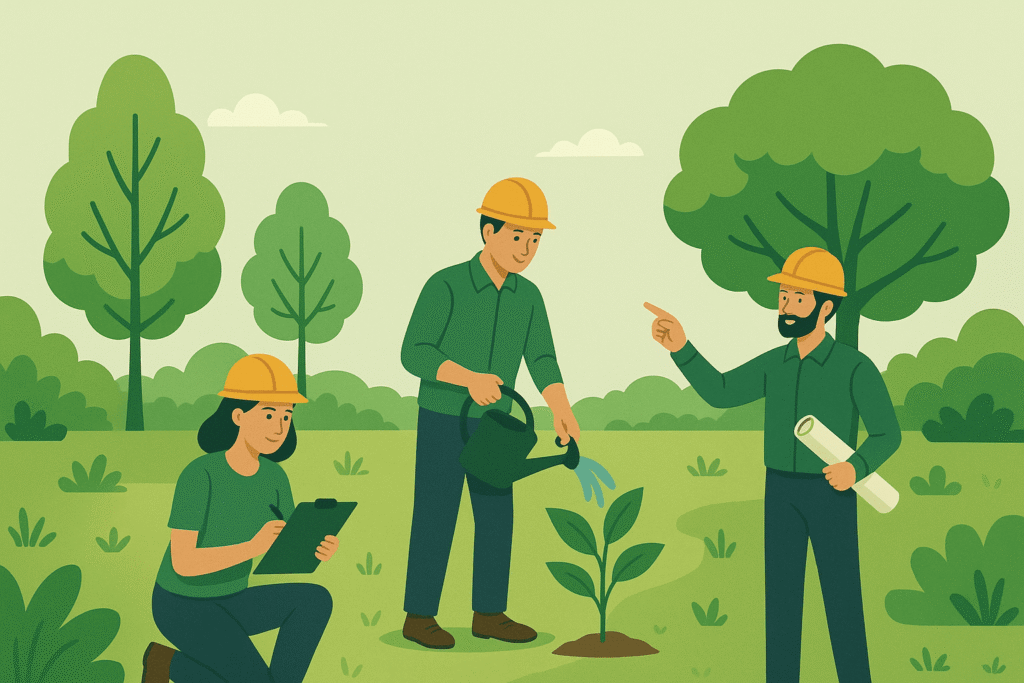
Look around your neighbourhood – between the busy roads and buildings, you’ll find little patches of green: parks, gardens, and urban forests. They give us fresh air, shade, and a home for birds, insects, and other creatures. But keeping these spaces alive isn’t always easy. Sometimes water is hard to get, sometimes people forget to care for them, and sometimes they just need a bit of creative engineering magic.
That’s where you come in. Your challenge? Design a clever, eco-friendly solution to help a green space in your neighborhood thrive. It could be a way to water plants, improve soil, collect rainwater, create shade, or even get the local community involved. You’ll explore ideas, sketch them out, and build a working prototype or scale model. Your design might use pedal power, cranks, sunlight, wind, or something completely unexpected—you decide!
In the project lecture, you will learn about and use first principles thinking – a way of breaking down problems to their basics so you can design better solutions. You’ll also learn about how water moves, how to work with the local environment, and how to think about all the people and resources involved.
Galaxies in Motion: Turning Space Images into Visual Stories

Have you ever looked at pictures of space and wondered what those bright colors and shapes really mean? In this creative project, you’ll work with real images of galaxies—huge collections of stars far beyond our own solar system—and learn how to turn what you see into your own visual art.
With guidance from Prof. Raja GuhaThakurta, an astrophysicist at UC Santa Cruz, you’ll explore how scientists study galaxies using powerful telescopes like Hubble and James Webb. You’ll look closely at the shapes, colors, and patterns in galaxy photos and learn what they tell us about space. Then, you’ll use those ideas to create your own artwork that shows what a galaxy looks like, how it moves, or what story it tells.
Here’s what you’ll create:
Visual Art Piece: A drawing, digital design, painting, collage, or mixed media piece based on a galaxy or space concept.
Story Behind the Art: A short explanation (300–500 words) of what the galaxy is, what inspired the design, and the science it’s connected to.
Space Art Showcase: Share your artwork and story with your school peer group in a space art showcase event at school!
Here’s what you’ll learn:
What galaxies are and how scientists study them using light and images.
How to recognize shapes, colors, and patterns in space and what they mean.
How to turn science ideas into creative visual stories.
How to talk about your ideas with others in a fun and confident way.
You don’t need to be a science expert or an artist to join—just bring your curiosity and creativity. This is your chance to explore space and tell your own story through art!
Frames of Change: Everyday Heroes in Our Community
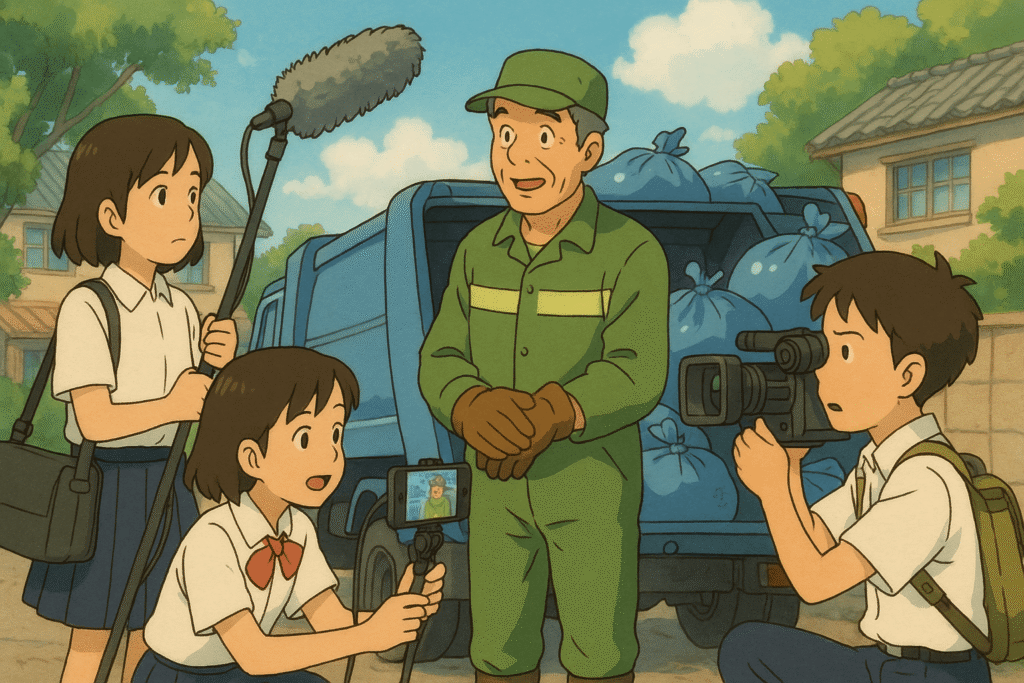
Stories are everywhere – sometimes in the quietest corners of our streets, sometimes in the lives of people we often overlook. In this filmmaking project, high school students will take on the role of creative storytellers to spotlight everyday heroes within their communities – individuals who make a difference through small acts of kindness, courage, creativity, or resilience.
These could be a local waste picker who started a recycling movement, a grandmother running a tiffin service to support her family, a peer helping others with mental health, or a shopkeeper who teaches evening classes to children in the neighbourhood.
Students will work in small teams to create a 2–3 minute short film using smartphones or basic video equipment. The process will take them through key stages of filmmaking: identifying a story, scripting, storyboarding, shooting, editing, and adding music or voiceovers.
As part of their final submission, students will deliver their short film, a director’s statement explaining their creative choices, and a promotional poster or thumbnail for their film. The project will culminate in a peer showcase where students will share their work, receive feedback, and reflect on the impact of storytelling in shaping culture.
Through this experience, students will gain practical filmmaking skills, improve their collaboration and communication abilities, and discover how creative industries offer exciting pathways for self-expression and meaningful careers. Most importantly, they will walk away with a deeper appreciation of the power of everyday stories and their own role in amplifying them.
Harvesting Goodness: The Seeds to Plate Challenge
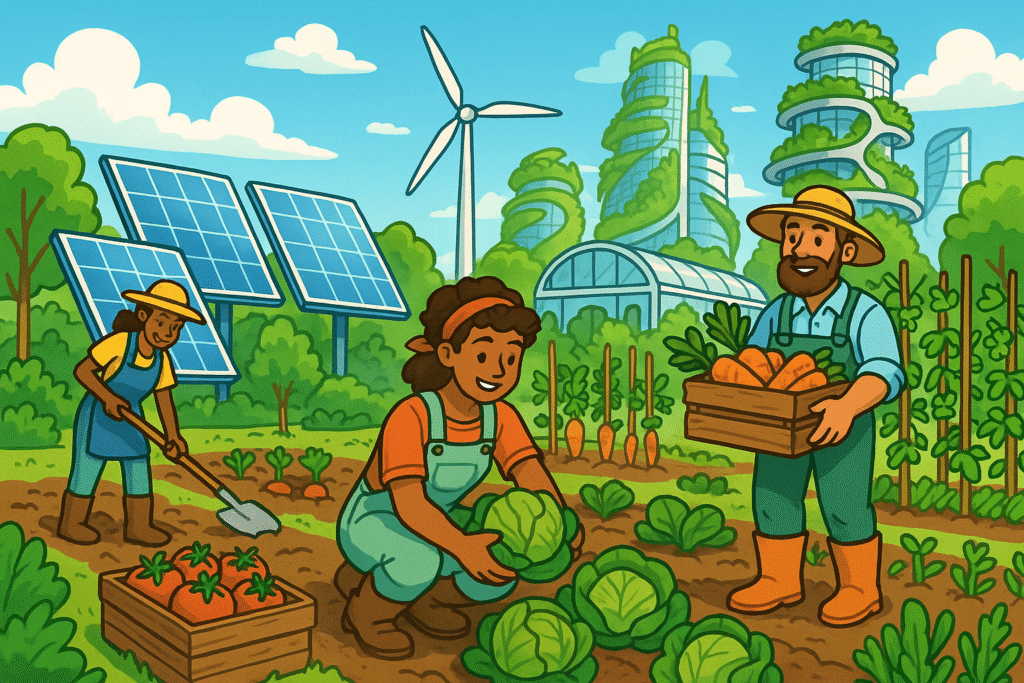
In this project, students will experience the full journey of growing their own food—from planting seeds to preparing a dish with what they’ve harvested. Working at home or in shared school spaces, students will choose fast-growing vegetables or herbs such as spinach, coriander, or microgreens, and grow them in simple containers using recycled materials. This project helps students reconnect with nature, learn where their food comes from, and see how even small green actions can make a difference.
As they plant, care for, and observe their crops, students will learn key science and life skills—understanding plant life cycles, practicing responsibility, and developing patience. They will keep a simple “Plant Journal” with drawings, notes, or photos to document their progress.
At harvest time, students will prepare a basic snack or meal using what they grew, then create a poster or short video to share their seed-to-plate journey with the world. Through this project, students build awareness of sustainability, healthy eating, and the power of growing their own food—even in small spaces.
Cities and Us: How Architecture Shapes Culture
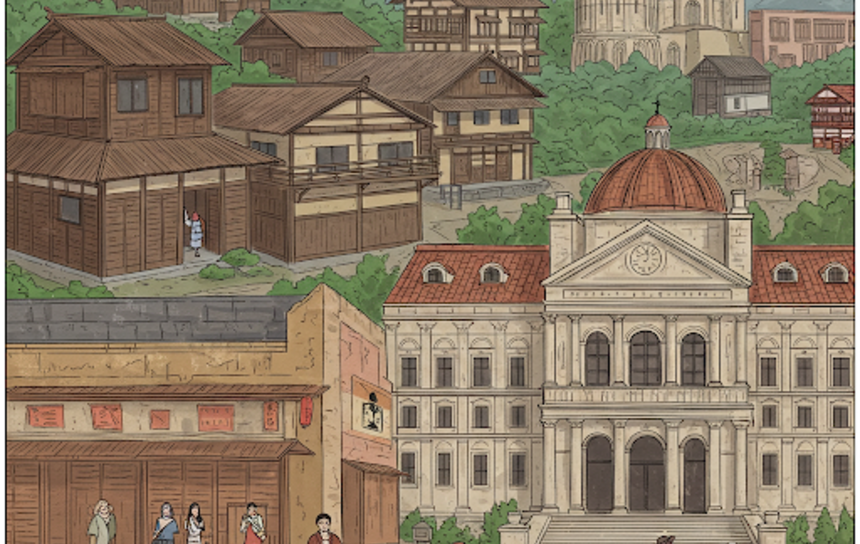
Cities are shaped by their built spaces, influencing how people live, work, and connect. However, urban structures are often designed without fully considering cultural identity, community needs, or sustainability. In this project, students will explore how architecture contributes to building better cities by reflecting history, social values, and functionality. Using research, ideation, and hands-on design, they will construct a model of an urban structure—such as a bridge, marketplace, or public square—that balances aesthetics, purpose, and cultural significance. Deliverables include a design of a physical model of the structure explaining its design choices. Through this project, students will develop creativity, problem-solving, teamwork, and an understanding of how architecture can make cities more livable and inclusive.
Guardian Bots: Building Assistive Robots for an Inclusive World
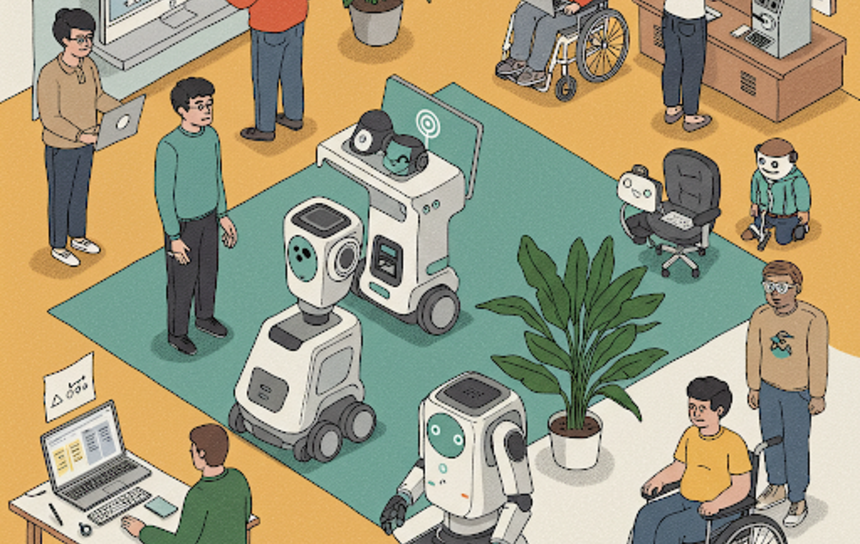
Millions of people with disabilities, visual impairments, or mobility challenges face daily obstacles in performing everyday tasks. Assistive technologies can enhance independence, safety, and accessibility, but innovative, low-cost solutions are needed. In this project, students will design a prototype of an assistive robot using recyclable materials, focusing on improving mobility, task assistance, or accessibility. They will apply human-centered design principles to create a functional, empathy-driven solution that addresses real-world needs. Through this hands-on challenge, students will develop creativity, problem-solving, teamwork, and STEM skills while exploring the role of robotics in building a more inclusive world.