
Frames of Change: Everyday Heroes in Our Community
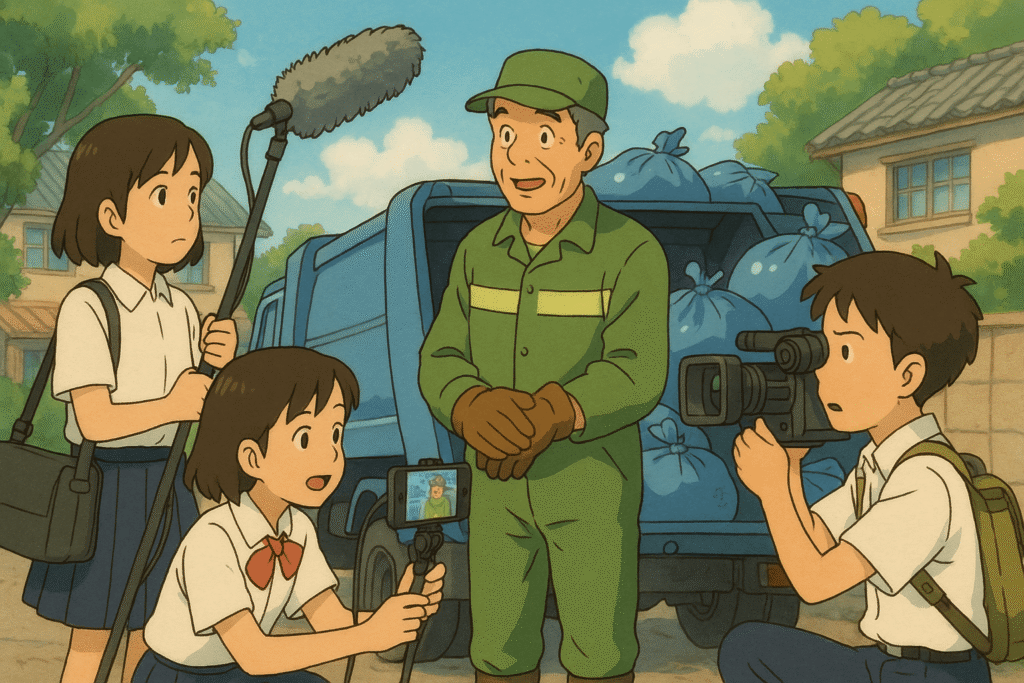
Stories are everywhere – sometimes in the quietest corners of our streets, sometimes in the lives of people we often overlook. In this filmmaking project, high school students will take on the role of creative storytellers to spotlight everyday heroes within their communities – individuals who make a difference through small acts of kindness, courage, creativity, or resilience.
These could be a local waste picker who started a recycling movement, a grandmother running a tiffin service to support her family, a peer helping others with mental health, or a shopkeeper who teaches evening classes to children in the neighbourhood.
Students will work in small teams to create a 2–3 minute short film using smartphones or basic video equipment. The process will take them through key stages of filmmaking: identifying a story, scripting, storyboarding, shooting, editing, and adding music or voiceovers.
As part of their final submission, students will deliver their short film, a director’s statement explaining their creative choices, and a promotional poster or thumbnail for their film. The project will culminate in a peer showcase where students will share their work, receive feedback, and reflect on the impact of storytelling in shaping culture.
Through this experience, students will gain practical filmmaking skills, improve their collaboration and communication abilities, and discover how creative industries offer exciting pathways for self-expression and meaningful careers. Most importantly, they will walk away with a deeper appreciation of the power of everyday stories and their own role in amplifying them.
Making Museums More Engaging
Travel in any country and especially in India is incomplete without a visit to the museum. Conventional museums often have a similar structure with exhibits and a brief explanation of it which sometimes fail to attract the interest of today’s generation. However, there are many museums with unique ideas. Take for example the Kite Museum in Ahmedabad or the RBI Monetary Museum in Mumbai. Both these museums have exhibits but are not interactive in nature. Your task is to understand what kind of information is shared in both these museums and figure out how it can be made more interesting by cleverly making use of technology to provide interactive learning and fun experiences.If you want to pick another museum you can go ahead and do that.
Humans of Asia

Humans are storytellers. We use storytelling as a means of expressing ourselves and connecting with others. How can we document stories from our communities to understand each other better? How do we write stories with colourful characters and a narrative arc? This project invites students to document human stories emerging from their own communities and neighbourhoods. Students will work in groups to interview people from their surroundings and choose one particular person/anecdote that inspired them. Once they have found a person/anecdote, students will write a short story to document and share an important aspect of their community life. Ultimately, the project aims to nurture the creative storyteller and writer in each of us!
Bits and Pixels: Preserving Culture through Digital Storytelling
The project invites students to document their cultural heritage using the art form of digital storytelling. Students will create a podcast/video/interactive article that explores a part of their cultural identity. The theme of their cultural focus may be food, architecture, clothing, or festivals. Once students pick their cultural theme, they will use digital media to express and preserve this part of their cultural identity. The final podcast/video/article should feature a mix of text, images, videos, and interactive elements, such as timelines or maps, to tell stories about cultural heritage, migration, and community experiences. The readers/viewers should be able to engage with the content in a dynamic way, choosing different paths or perspectives within the story. This project aims to equip students with new media and digital tools for storytelling building their creativity and communication skills.
Making Museums More Engaging
Travel in any country and especially in India is incomplete without a visit to the museum. Conventional museums often have a similar structure with exhibits and a brief explanation of it which sometimes fail to attract the interest of today’s generation. However, there are many museums with unique ideas. Take for example the Kite Museum in Ahmedabad or the RBI Monetary Museum in Mumbai. Both these museums have exhibits but are not interactive in nature. Your task is to understand what kind of information is shared in both these museums and figure out how it can be made more interesting by cleverly making use of technology to provide interactive learning and fun experiences. If you want to pick another museum you can go ahead and do that.
Creativity and Community Leadership
Let’s take a minute and look around us. Notice the different services we use,shops we go to and products we buy. Some may be large stores while others may be small and local. Let’s zoom into the local services and products. This would be your nearby ice cream store, the person who cooks fresh home – made meals and delivers, flower vendors, laundry and more. These people, who operate their business only within your community, are called hyperlocal businesses. They set up their businesses within one community and only serve that local area. They are happy doing what they do. Your job is to help these hyperlocal businesses do well. Some may need help with operations, others may need help reaching out to the community. It’s your job to be empathetic and listen, truly understand them before arriving at solutions to help them.