
Redefining How History Is Taught In India
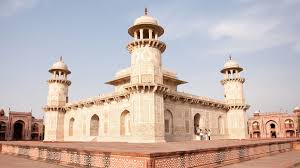
Looking at the growing trend of history-based heritage events that are an opportunity for students to enthusiastically engage with it.
Money For Nothing, or How Fake Internships Affect Students

Investigating an alarming trend of fake internship opportunities, where students pay to find internships to get a notch on their CVs.
Why India is Betting Big on IBCs
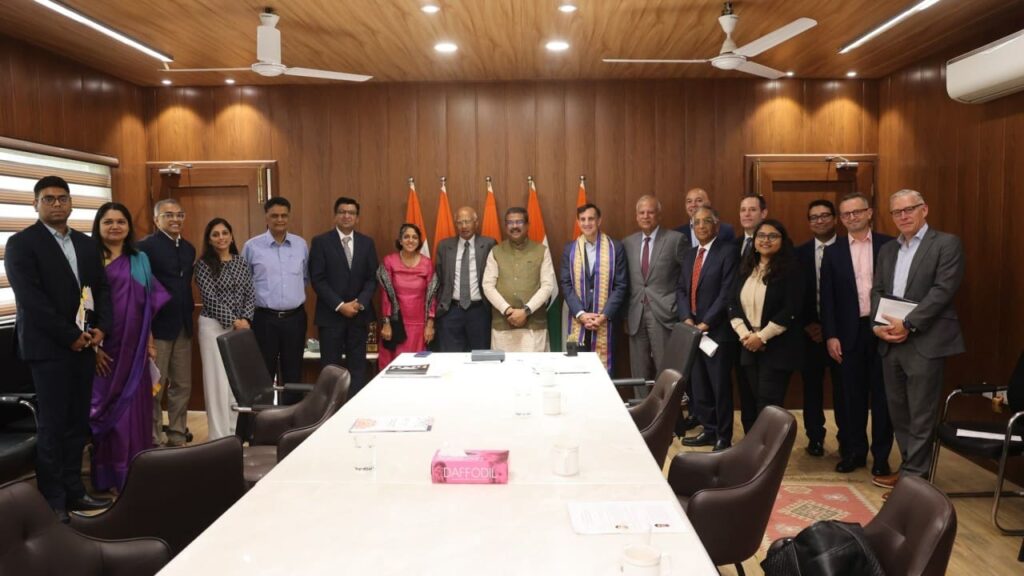
Understanding how foreign universities are setting up IBCs in India, and should your child choose them or stick to Indian colleges.
Watt’s Up? Powering Smart Homes with Data
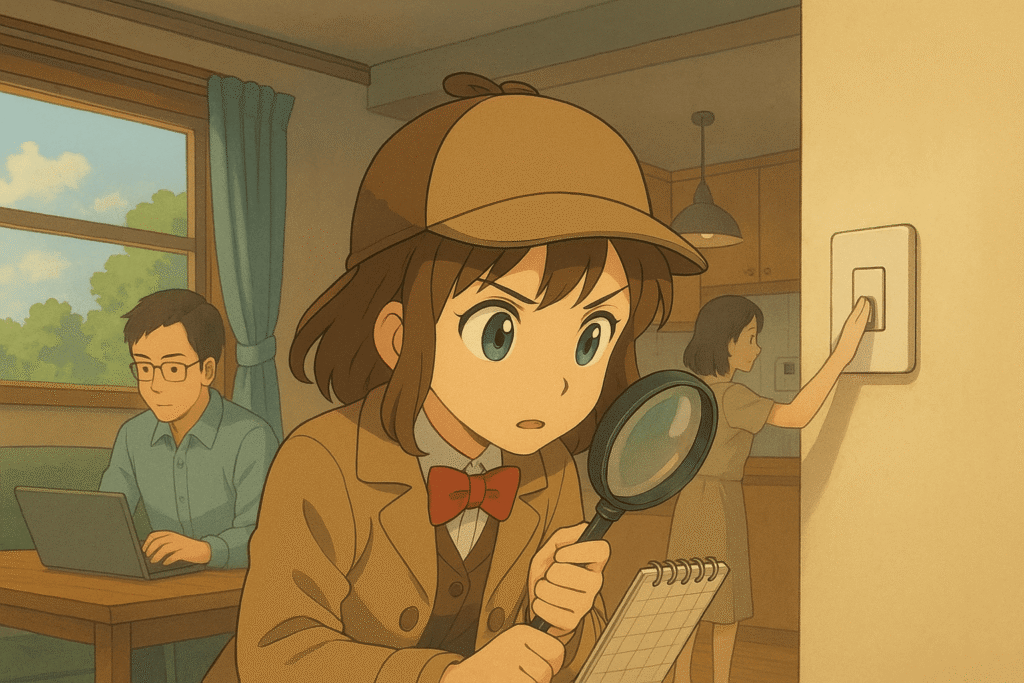
Every household uses energy—switching on lights, cooking meals, running gadgets—but most of us rarely ask: Where does it all go, and how can we save more?
In this project, students become household energy detectives, using real-life data like electricity bills, gas refills, or piped gas usage to track patterns and spot waste. They’ll design simple low-code apps or dashboards to help families budget better, cut costs, and optimize energy use.
Along the way, students connect their work to economics concepts like consumption, budgeting, and opportunity cost, while also advancing SDG 7 (Affordable and Clean Energy), SDG 12 (Responsible Consumption and Production), and SDG 13 (Climate Action).
The challenge is to turn everyday numbers into tools that make homes smarter, greener, and lighter on the wallet.
Bridging the Gap Between Campus and Career
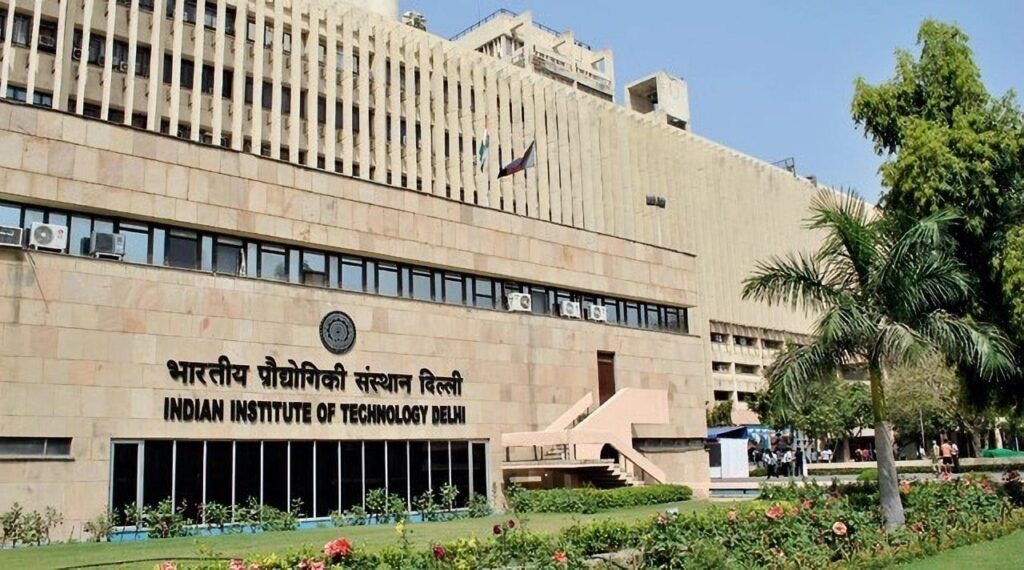
Exploring how we can solve the placement dips in IITs around India in the past few years, and how students can find jobs in today’s economy.
Why Don’t Children’s Math Skills Transfer Between School and Real Life?

This article explores the bridge between students who are excellent school students, and those who gained math skills from real-world work.
Civic Superheroes – Helping Citizens Take Action

From potholes to garbage piles, from broken streetlights to water shortages—our cities are full of problems that affect people’s daily lives. But here’s the big question: Do most citizens know how to get these problems fixed?
In this project, you will become civic superheroes—finding out how your city’s grievance redressal system really works, then turning that knowledge into a physical awareness campaign that anyone in your community can see, read, and use.
The mission is simple: make sure every citizen knows exactly how to report a problem and get it solved. You will study how urban governance works, will investigate local issues around you, and create an awareness campaign around these issues.
You will finally create large posters for public display, which also document the complaint process for people, and explain citizens’ rights and responsibilities. Your efforts will help bring any issues to light, and will also help deal with these local problems.
Clean Air at Home – Building Your Own Air Purifier
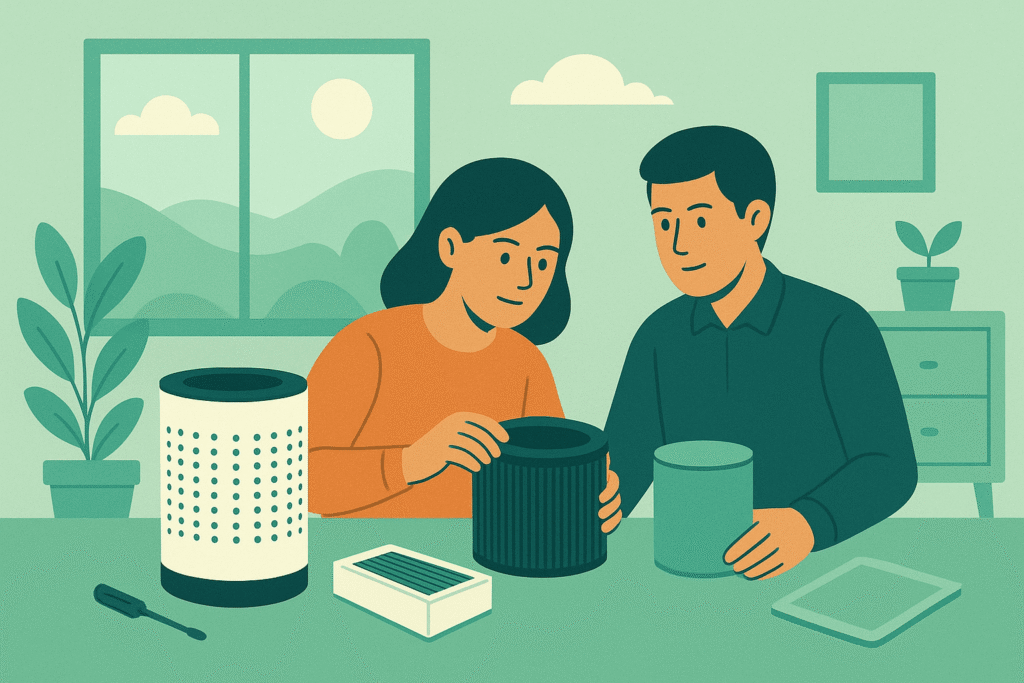
Imagine living in a city where the air is so polluted that stepping outside feels like breathing smoke. That’s what happened to Professor Thomas Talhelm in Beijing. Instead of buying a fancy $1,000 air purifier, he rolled up his sleeves and built his own for a fraction of the cost—and it worked!
In this project, you’ll follow in his footsteps. Your mission: design and build a low-cost air purifier that can actually clean the air in your room. You’ll discover how air purifiers work, why HEPA filters are so good at trapping tiny particles, and how to make air flow work in your favour. Then you’ll sketch your design, gather simple materials like a household fan and a filter, and start building.
Once your purifier is ready, it’s time to put it to the test. You’ll measure the air quality before and after running your machine, see if your design works, and think about how you could make it even better. By the end, you’ll realise you don’t need expensive gadgets to solve real problems—you just need curiosity, creativity, and the courage to try.
Digital Detectives – Designing Tools to Outsmart Scammers
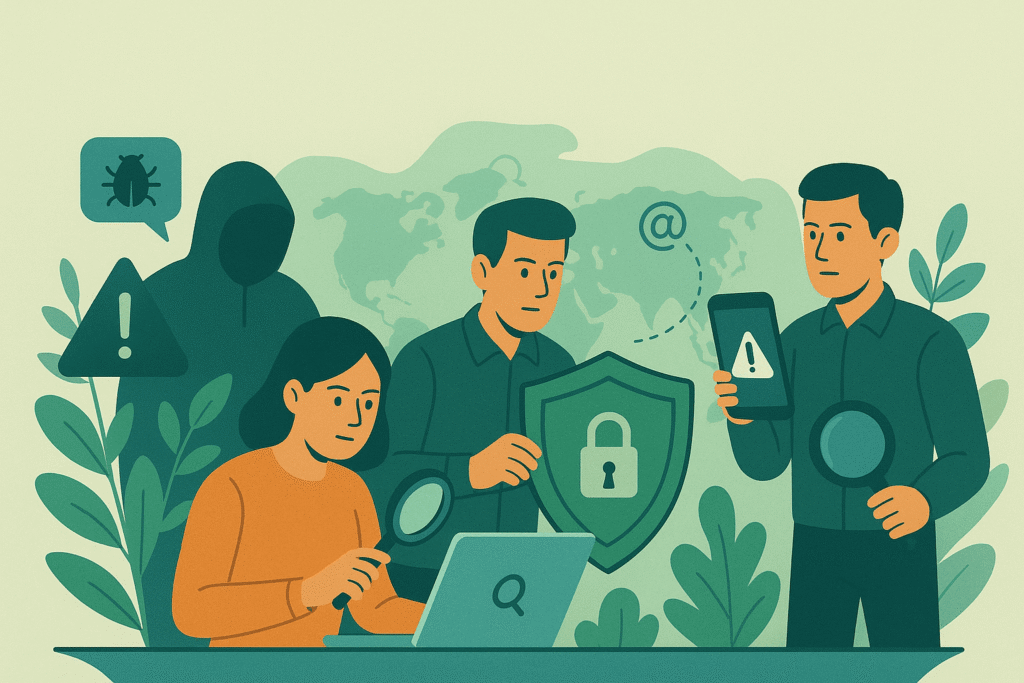
Financial scams are getting smarter every day—fake bank calls, phishing emails, investment traps, and social media “giveaway” cons. Scammers don’t just rely on technology; they exploit human tendencies—curiosity, fear, urgency, and trust.
In this project, you’ll become a scam detective and engineer rolled into one. First, you’ll investigate how scams work: What tricks do scammers use? What vulnerabilities do they target? Why do people fall for them? Then, you’ll turn your insights into a simple, user-friendly digital tool or app that helps people spot, avoid, and block these traps.
Your solution could be a scam-alert app, a “safe checklist” before sending money, a chatbot that helps verify messages, or a browser add-on that flags suspicious links. It doesn’t need to be fully coded—students will create wireframes, clickable mock-ups, and low-code prototypes that clearly show how the tool works.
EcoEngineers – Designing Sustainable Green Spaces
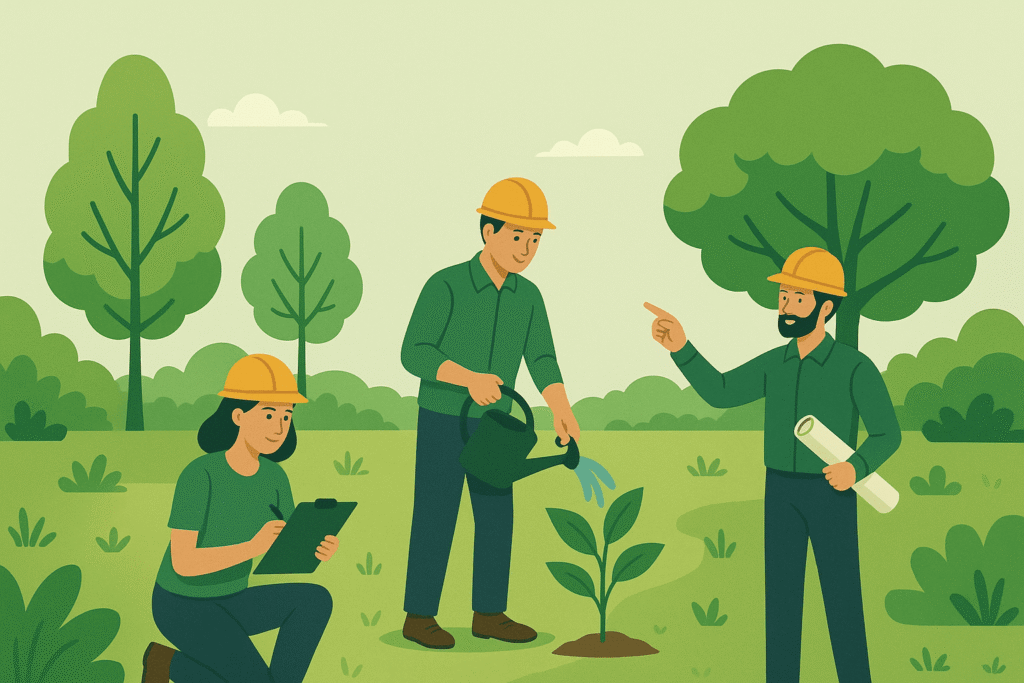
Look around your neighbourhood – between the busy roads and buildings, you’ll find little patches of green: parks, gardens, and urban forests. They give us fresh air, shade, and a home for birds, insects, and other creatures. But keeping these spaces alive isn’t always easy. Sometimes water is hard to get, sometimes people forget to care for them, and sometimes they just need a bit of creative engineering magic.
That’s where you come in. Your challenge? Design a clever, eco-friendly solution to help a green space in your neighborhood thrive. It could be a way to water plants, improve soil, collect rainwater, create shade, or even get the local community involved. You’ll explore ideas, sketch them out, and build a working prototype or scale model. Your design might use pedal power, cranks, sunlight, wind, or something completely unexpected—you decide!
In the project lecture, you will learn about and use first principles thinking – a way of breaking down problems to their basics so you can design better solutions. You’ll also learn about how water moves, how to work with the local environment, and how to think about all the people and resources involved.