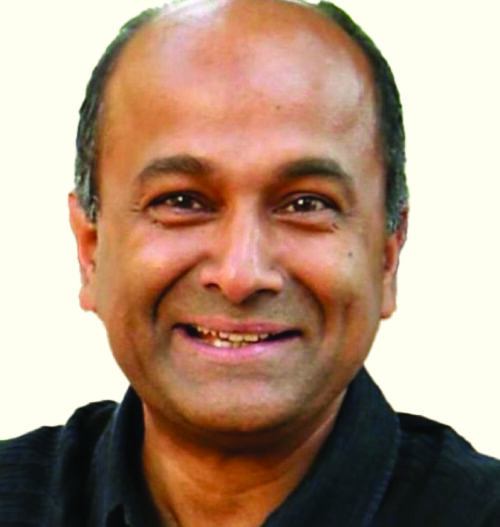
Dr. Dilip Menon
University of the Witwatersrand, South Africa
Dr. Dilip Menon is a distinguished historian and professor at the University of the Witwatersrand, South Africa, specializing in Indian Ocean studies, colonial history, and global intellectual traditions. His research explores themes of modernity, caste, postcolonial thought, and transnational history, offering critical insights into the intersections of politics, culture, and identity.
As the Director of the Centre for Indian Studies in Africa, Dr. Menon has led pioneering interdisciplinary research, fostering academic collaborations between South Asia and Africa. His extensive body of work includes influential publications on subaltern studies, migration, and the socio-political transformations in colonial and postcolonial societies.
A thought leader in historical and contemporary global studies, he is committed to expanding the understanding of non-Western intellectual traditions and challenging Eurocentric narratives in historical discourse. His scholarship continues to shape discussions on global South perspectives, decolonization, and knowledge production in the 21st century.